

What is Quiet Firing and Is It Ever Illegal?
Most people are familiar with the concept of “quiet quitting” — when employees do the bare minimum required of their job description without going above and beyond. But there is a counterpart to this phenomenon happening from the other side of the desk: “quiet firing.”
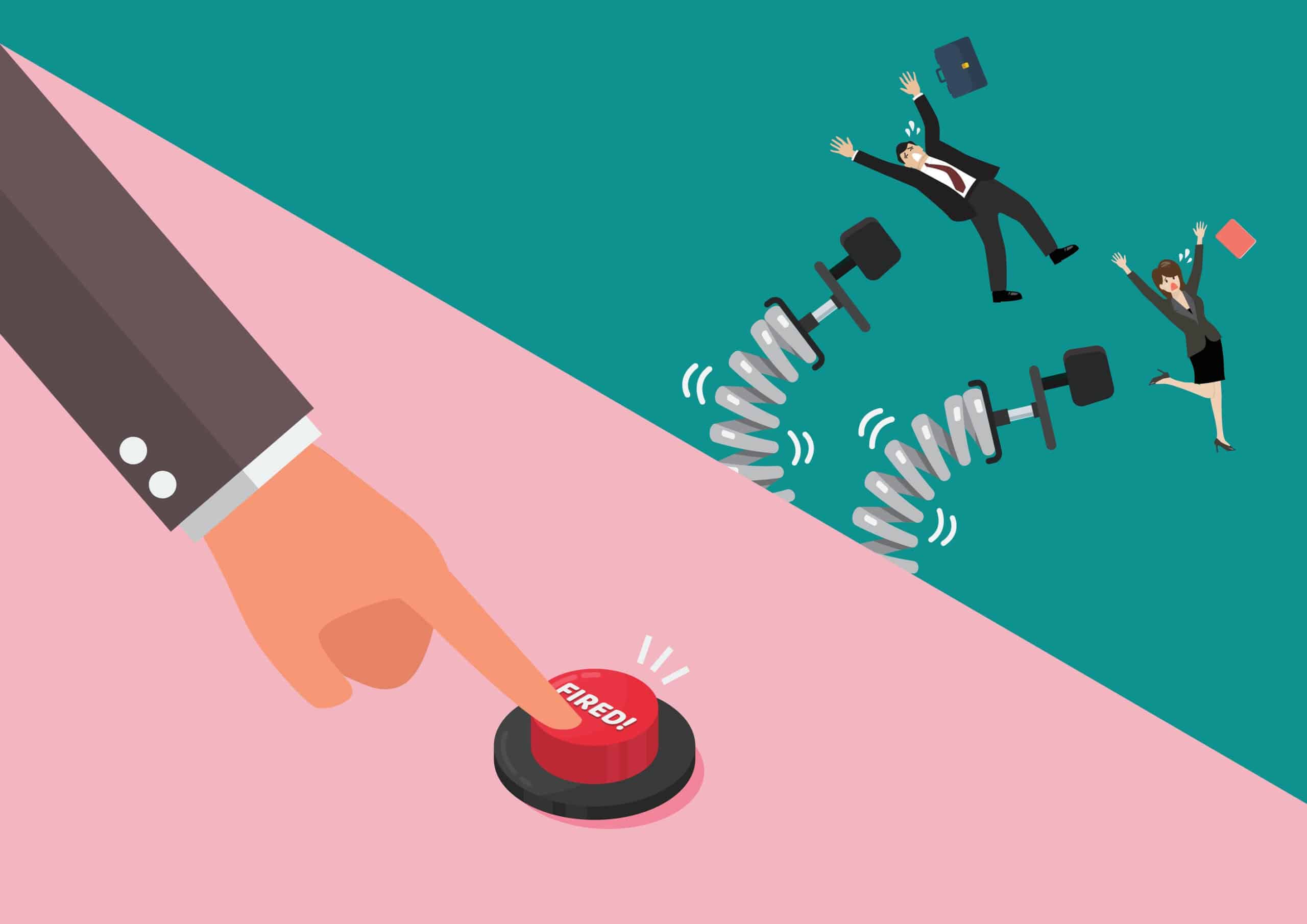
This subtle yet damaging tactic involves employers making a workplace so uncomfortable or unrewarding that an employee feels they have no choice but to leave. Instead of handling performance issues directly or going through formal termination processes, managers might reduce an employee’s responsibilities, exclude them from key meetings, or subject them to excessive scrutiny.
While it might seem like just another form of poor management, quiet firing can have serious legal implications. Understanding the line between a bad boss and illegal workplace discrimination is crucial for protecting your career and your rights, and the wrongful termination attorneys at Barrett & Farahany can determine whether your treatment is illegal.
Understanding Quiet Firing
Quiet firing is often a passive-aggressive strategy used to avoid the confrontation of a direct firing, as well as the potential costs associated with it, such as severance packages or unemployment claims. By making the job undesirable, the employer hopes the employee will voluntarily resign.
This process doesn’t happen overnight. It is usually a slow erosion of an employee’s standing within the company. You might find yourself gradually pushed to the sidelines, wondering if you are imagining the shift in dynamic.
What Quiet Firing Looks Like
Recognizing quiet firing can be difficult because the actions are often subtle or disguised as organizational changes. However, there are common tactics that serve as red flags:
- Exclusion: You are left off email chains, not invited to meetings relevant to your role, or bypassed for important decisions you used to be part of.
- Reduced Responsibilities: Your workload is significantly cut without explanation, or your most meaningful projects are reassigned to others, leaving you with menial tasks.
- Excessive Scrutiny: Sudden micromanagement where every small action is critiqued. You might receive unfair performance reviews that don’t align with your actual output.
- Isolation: There is a deliberate lack of communication from leadership, or you feel ostracized from the team dynamic.
- Stagnation: You are passed over for promotions or raises without valid reasoning, or you are told bluntly that you should resign if you aren’t happy.
The Legality of Quiet Firing
Is quiet firing illegal? The answer is nuanced. In many cases, bad management is not illegal. In “at-will” employment states, employers have broad discretion to manage their workforce and can generally change job duties or terminate employment for almost any reason — or no reason at all — as long as it isn’t an illegal one. If a manager is simply incompetent or conflict-averse, their passive-aggressive behavior might be unprofessional, but it doesn’t necessarily break the law.
However, quiet firing crosses the line into illegality when the motivation behind the treatment is discriminatory or retaliatory.
Constructive Discharge
The legal concept most relevant to quiet firing is “constructive discharge.” This occurs when an employer knowingly allows working conditions to become so intolerable that a reasonable person in the employee’s position would feel compelled to resign.
In the eyes of the law, a constructive discharge is treated legally as if the employee were fired. If you are forced to quit because of a hostile work environment, you may retain the right to sue for wrongful termination, even though you technically submitted a resignation letter.
When Quiet Firing Becomes Discrimination
Quiet firing becomes a legal issue if the mistreatment is based on a protected characteristic. If an employer uses these tactics to push out employees based on their age, race, gender, religion, disability, or national origin, it constitutes workplace discrimination.
Similarly, if quiet firing tactics are used to punish an employee for engaging in protected activities — such as reporting harassment, requesting medical leave, or acting as a whistleblower — it is considered illegal retaliation.
What Employees Can Do
If you suspect you are being quietly fired, it can feel isolating and demoralizing. However, there are proactive steps you can take to protect yourself and your professional reputation.
Document Everything
Documentation is your strongest defense. Keep a detailed record of every instance that contributes to the hostile environment. Save emails where you are excluded from relevant threads. Keep notes on meetings you weren’t invited to. Document dates and details of conversations where your responsibilities were reduced or where you received unfair criticism.
Having a paper trail helps establish a pattern of behavior rather than isolated incidents.
Seek Clarification
If safe to do so, try to address the issue directly. Schedule a meeting with your manager or Human Resources to discuss the changes in your role. Ask for specific, documented reasons regarding why your responsibilities have shifted or why you received a negative review. This can sometimes force an employer to go on record with their reasoning, which can be critical evidence if their reasoning is pretextual (false).
Consult Legal Counsel
Because the line between poor management and illegal discrimination is complex, consulting with an employment lawyer is often necessary. A legal professional can help you determine if the treatment you are experiencing violates state or federal employee rights laws. They can advise you on whether you have grounds for a claim based on constructive discharge or discrimination.
Protecting Your Career and Rights With Barrett & Farahany
Quiet firing is a deceptive practice that undermines employee confidence and security. While employers may use it to skirt the responsibilities of a formal termination, they cannot use it as a shield for discriminatory behavior. If you believe you are being pushed out due to your identity or in retaliation for exercising your rights, you do not have to accept it silently.
Losing your job — whether through direct firing or forced resignation — can leave you wondering how you’ll provide for yourself and your family. You shouldn’t be left to deal with this alone if your termination violated state or federal laws. If you believe you have been wrongfully terminated, you have legal rights and remedies available, potentially including back pay, reinstatement, and damages.
At Barrett & Farahany, our wrongful termination attorneys have years of experience fighting for the rights of employees in Alabama and Georgia. We understand the complexities of employment law and are dedicated to holding employers accountable for unlawful practices. Contact us today to schedule a consultation and learn more about how we can help you navigate this challenging situation.